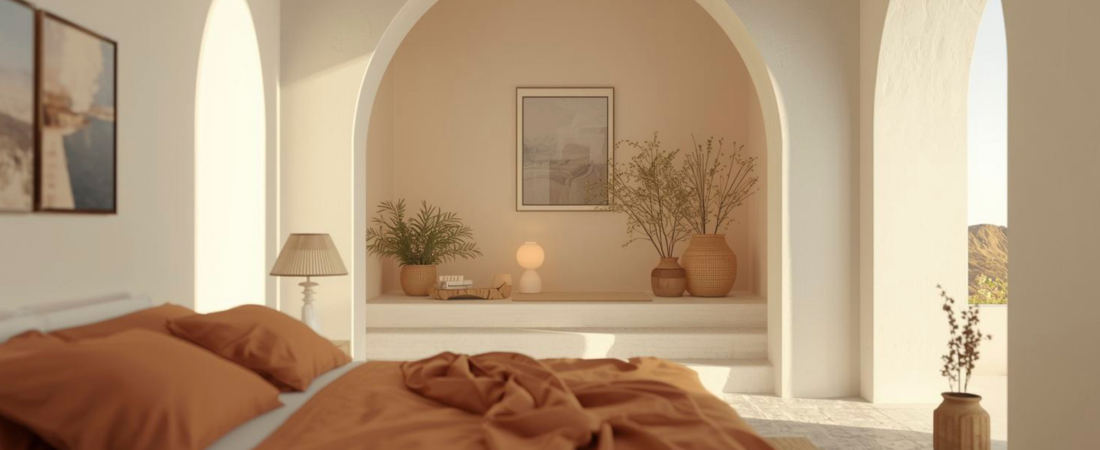
Have you ever walked into a room and instantly felt calm, energized, or cozy without knowing exactly why?
A big part of that feeling comes from color.
The colors we surround ourselves with can influence our mood, energy levels, and even the way we perceive a space. While personal preferences always matter, understanding the psychology of colors can help you create a home that feels exactly the way you want it to.
Whether you’re redecorating a room or simply adding a few accessories, here’s what each color can do to your space.
White: Clean and Spacious
White is often associated with cleanliness, simplicity, and freshness. It reflects light beautifully, making rooms appear larger and brighter.
White works especially well in:
- Small apartments
- Kitchens
- Bathrooms
- Minimalist spaces
However, too much white can sometimes feel cold or sterile. To make it feel warmer, add natural textures like wood, linen, woven baskets, or soft rugs.
Beige: Warm and Cozy
Beige has become one of the most popular colors in interior design for a reason.
It creates a warm, calming atmosphere while remaining timeless and versatile. Beige also pairs effortlessly with other colors and textures, making it easy to decorate around.
Beige is perfect for:
- Living rooms
- Bedrooms
- Reading corners
- Cozy spaces
To keep beige interesting, mix different shades and textures such as boucle, linen, wood, and ceramic accents.
Blue: Calm and Relaxing
Blue is known for promoting feelings of calmness and serenity. It can help create a peaceful environment, which is why it is often used in bedrooms and bathrooms.
Lighter blues feel airy and refreshing, while darker blues add sophistication and depth.
Blue works beautifully in:
- Bedrooms
- Bathrooms
- Home offices
- Coastal-inspired interiors
If you want a relaxing retreat at home, blue is one of the safest choices.
Green: Natural and Refreshing
Green is strongly connected to nature and is often associated with balance, growth, and tranquility.
Even small touches of green can make a room feel fresher and more inviting.
Green is ideal for:
- Living rooms
- Kitchens
- Offices
- Reading nooks
Olive green creates a cozy atmosphere, while sage green offers a soft and calming look.
You can also introduce green through houseplants if you don’t want to paint your walls.
Yellow: Cheerful and Energizing
Yellow brings warmth, happiness, and energy into a space.
Because it reflects light so well, yellow can brighten darker rooms and make them feel more welcoming.
Yellow works best in:
- Kitchens
- Breakfast nooks
- Entryways
- Creative spaces
Soft buttery yellows tend to feel elegant and cozy, while bright yellows can be more stimulating.
A little goes a long way, so many designers prefer using yellow as an accent color.
Pink: Soft and Comforting
Pink is no longer reserved for children’s rooms.
Soft blush and dusty pink tones can create spaces that feel comforting, elegant, and welcoming.
Pink works beautifully in:
- Bedrooms
- Vanity areas
- Reading corners
- Living rooms
When paired with beige, white, or natural wood, pink becomes sophisticated and timeless.
Gray: Elegant and Modern
Gray is often associated with sophistication and balance.
Light grays create a calm, airy environment, while darker grays add drama and depth.
Gray is popular in:
- Modern living rooms
- Offices
- Bedrooms
- Contemporary homes
To prevent gray rooms from feeling dull, mix in warm materials like wood, textured fabrics, and soft lighting.
Black: Dramatic and Luxurious
Black adds contrast, elegance, and a sense of luxury.
When used thoughtfully, it can make a room feel sophisticated rather than dark.
Black works well in:
- Accent walls
- Light fixtures
- Picture frames
- Furniture pieces
The key is balance.
Pair black with lighter colors and natural materials to create contrast without overwhelming the space.
Brown: Grounding and Inviting
Brown brings warmth, stability, and comfort.
Wood furniture, leather accents, and earthy tones can instantly make a home feel more welcoming.
Brown is ideal for:
- Living rooms
- Dining rooms
- Libraries
- Rustic or modern interiors
Natural wood finishes are especially popular because they add character while remaining timeless.
Which Color Is Best?
There isn’t a single “best” color for every home.
The right color depends on how you want a room to feel.
- Want a peaceful bedroom? Try blue or sage green.
- Want a cozy living room? Beige and warm browns are excellent choices.
- Need more energy? Add touches of yellow.
- Looking for elegance? Consider gray or black accents.
The most beautiful homes are often the ones that use colors intentionally to create a mood.
Final Thoughts
Colors do much more than decorate a room.
They influence emotions, shape the atmosphere of a space, and affect how we experience our homes every day.
Before choosing paint, furniture, or accessories, think about the feeling you want to create.
A calm retreat, a cozy sanctuary, or a bright and energetic space all begin with color.
And sometimes, changing the mood of a room can be as simple as changing the colors within it.
At Maison & Glow, we believe that creating a beautiful home isn’t about perfection—it’s about designing spaces that make everyday life feel a little brighter, calmer, and more inviting.
-Maison & Glow