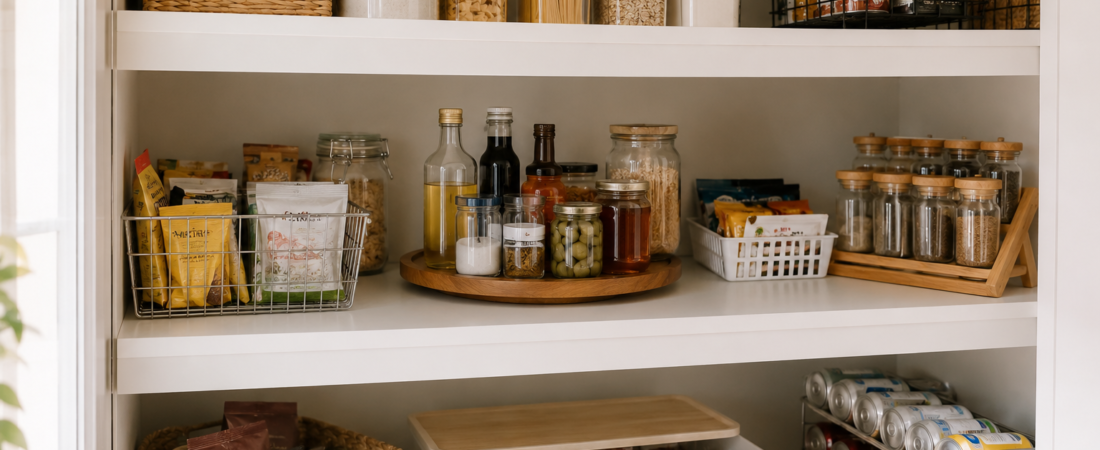
A small pantry doesn’t have to feel crowded or impossible to keep organized. In fact, with the right system, even a few shelves can hold much more than you think.
The key isn’t squeezing as many things as possible into your pantry. It’s about using every inch intentionally, keeping everyday items accessible, and creating a system that’s easy to maintain.
Here are 10 simple ways to organize a small pantry and make the most of the space you already have.
1. Empty Your Pantry Before Organizing
Before adding bins or rearranging shelves, take everything out.
Check expiration dates, get rid of empty packaging, and group similar foods together. This will immediately show you what you actually need to store—and often frees up more space than expected.
Once everything is out, wipe down the shelves and start with a completely clean pantry.
2. Divide Your Pantry Into Zones
Instead of putting groceries wherever they fit, give each category its own area.
You might create separate zones for snacks, breakfast foods, pasta and grains, baking supplies, canned goods and drinks.
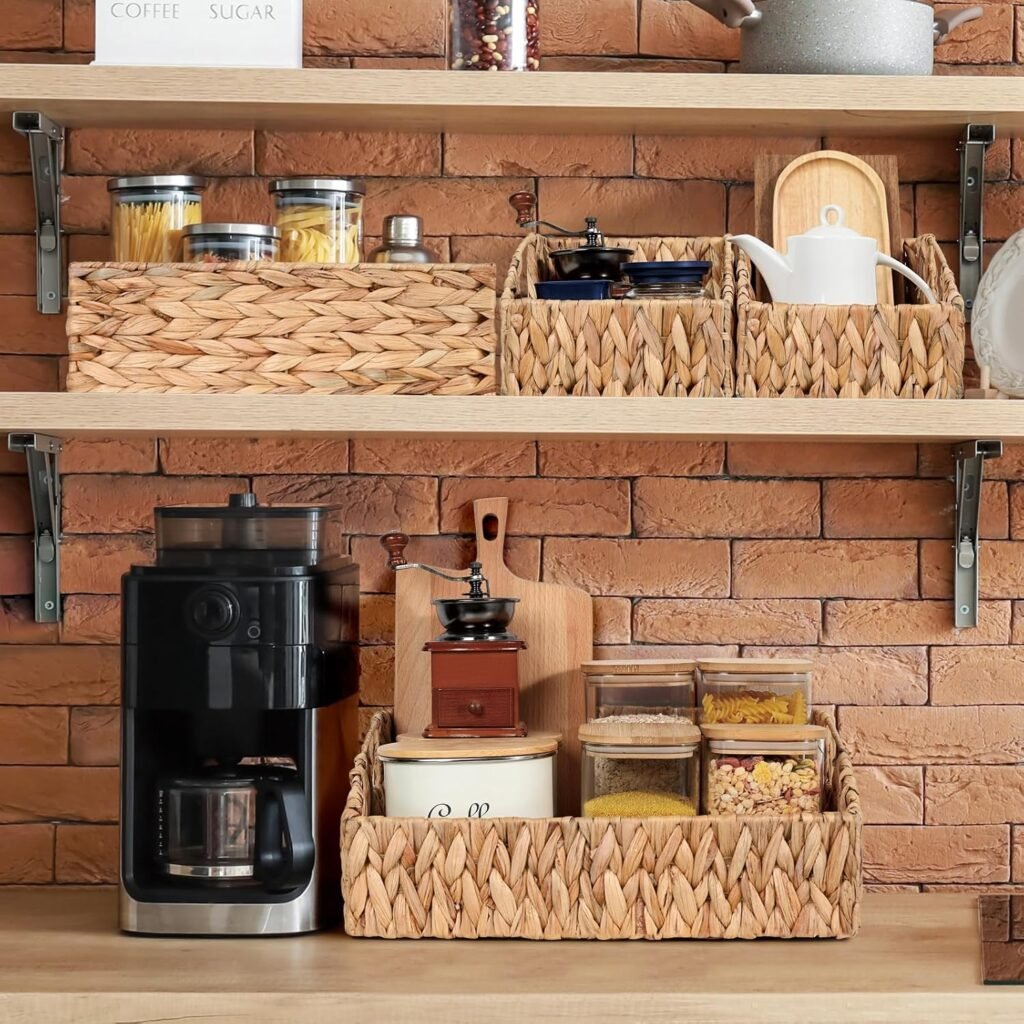
Storage baskets are great for keeping these categories together, especially when you’re dealing with lots of smaller packages.
One of my favorite ways to create simple pantry zones:
3. Contain Small Items With Clear Bins
Snack bars, packets and small baking supplies can quickly make a pantry look cluttered.
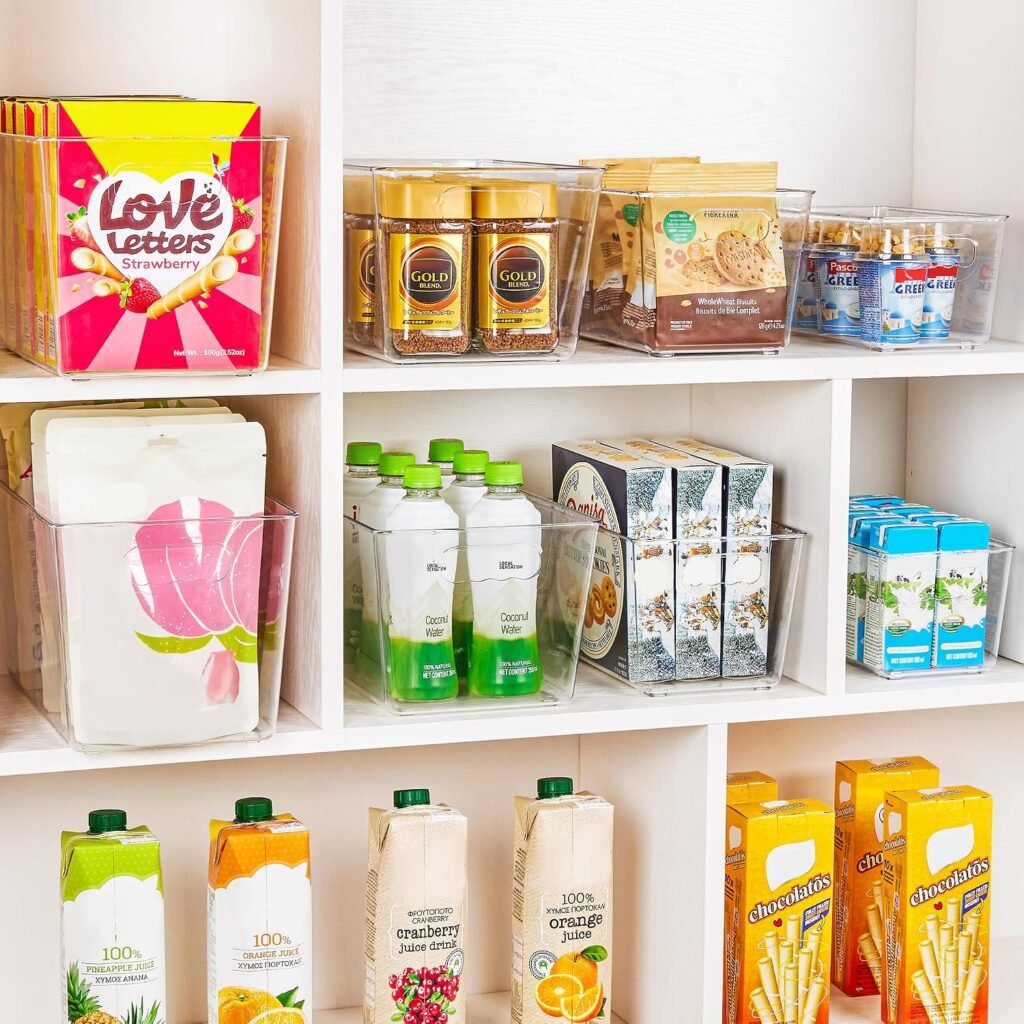
Clear bins keep these items together while still allowing you to see what’s inside. They’re especially helpful for deep shelves because you can pull out the entire bin instead of searching behind other products.
Here’s a practical option for keeping smaller pantry items together:
4. Use the Empty Space Between Shelves
One of the biggest mistakes in a small pantry is only thinking horizontally.
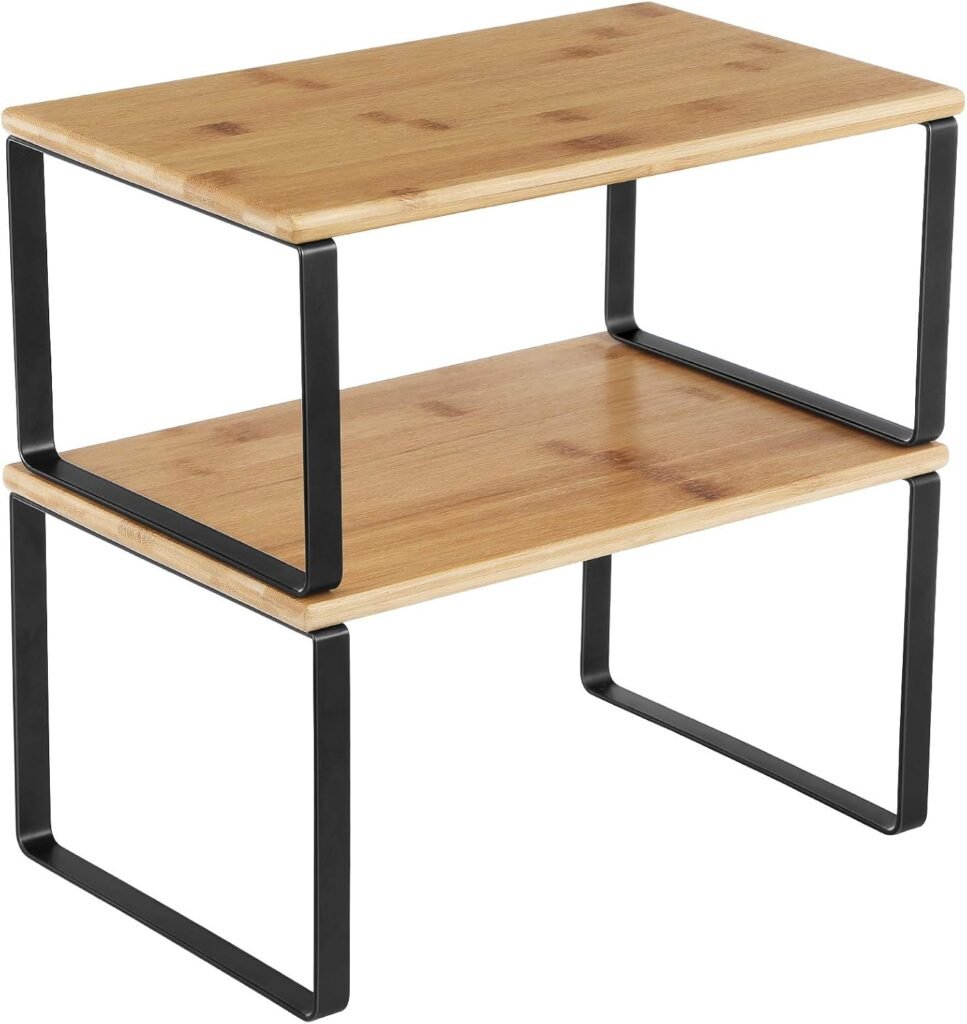
If there’s a large gap above your cans or jars, you’re wasting valuable vertical space. Shelf risers can create an additional storage level without requiring permanent shelving.
You can also use under-shelf baskets to turn the empty space underneath a shelf into storage.
A simple way to add extra storage without remodeling:
5. Put Awkward Corners to Work
Deep corners often become the place where forgotten bottles and jars disappear.
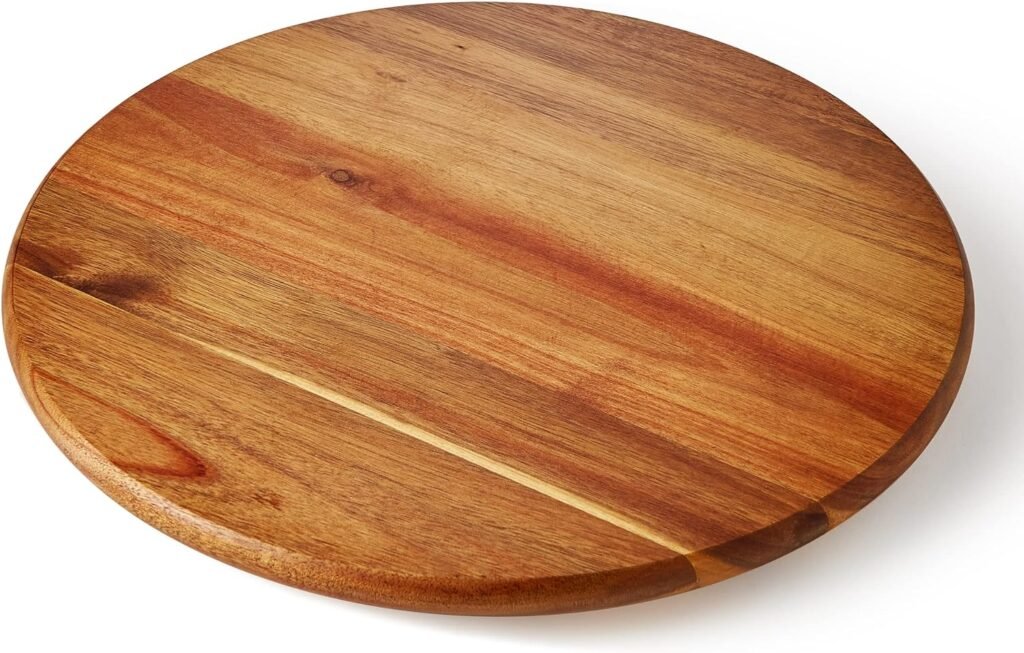
Instead, place frequently used sauces, oils, spreads or condiments on a rotating tray. A Lazy Susan allows you to reach everything without removing several products first.
It’s a small change that can make an awkward pantry corner much more functional.
Here’s one I love for those hard-to-reach corners:
6. Transfer Frequently Used Dry Goods Into Containers
You don’t need to decant every grocery item you buy.
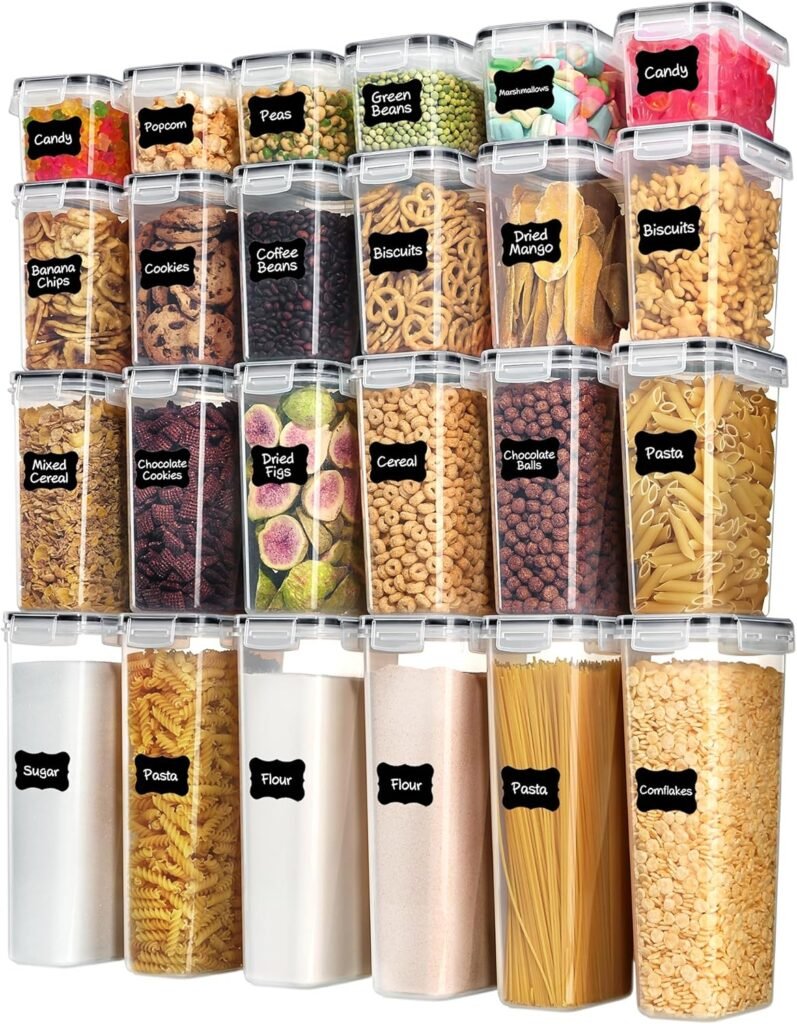
Focus on foods you use frequently, such as pasta, rice, cereal, flour or sugar. Airtight containers can eliminate bulky or half-empty packaging while making your shelves easier to stack and organize.
Tall containers are particularly useful in small spaces because they take advantage of vertical room.
For everyday dry goods, I like containers like these:
7. Give Cans and Bottles Their Own Organizers
Cans and reusable bottles take up a surprising amount of room when they’re stored individually.
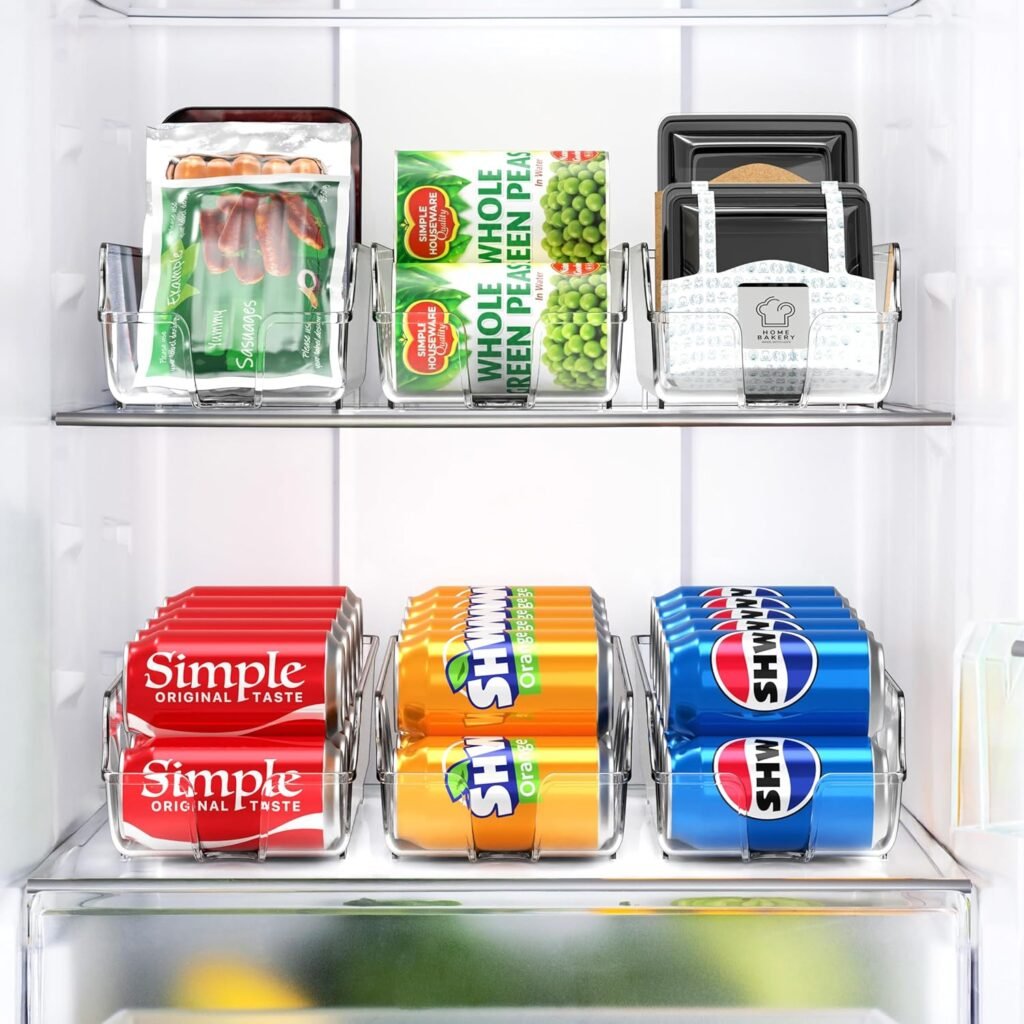
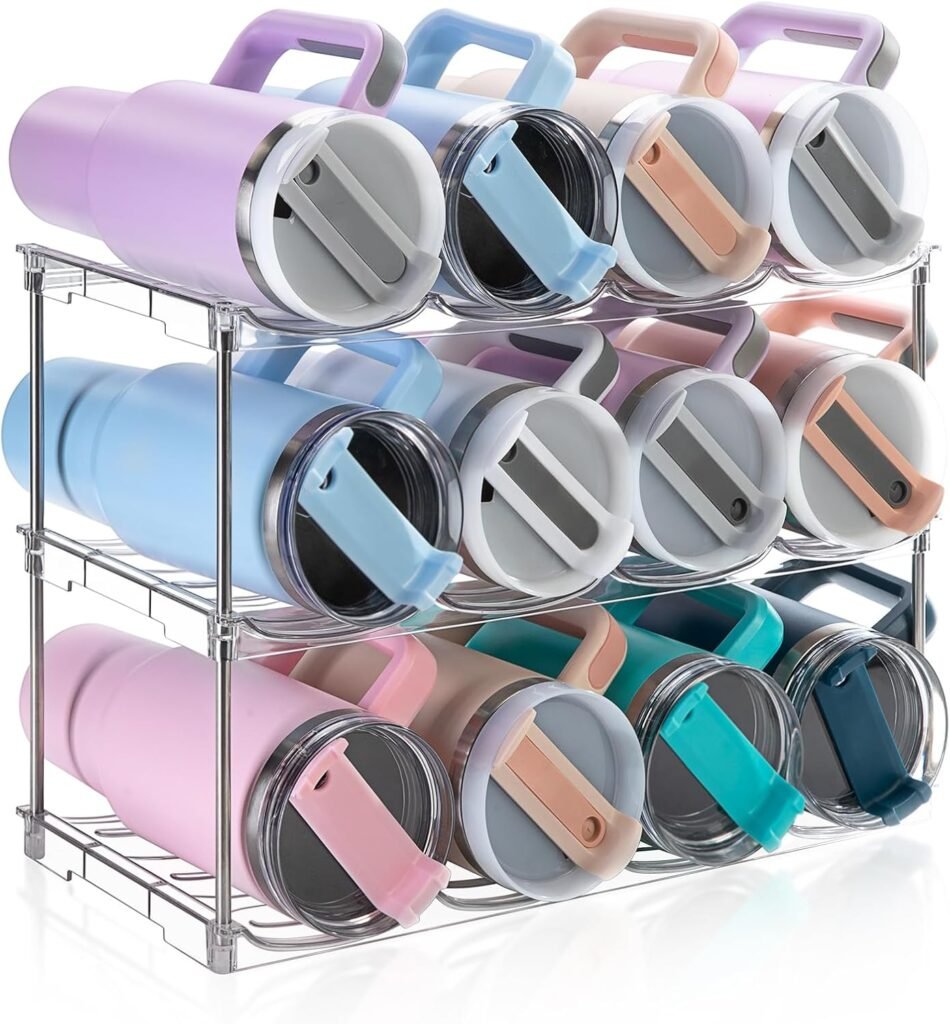
A tiered or stackable can organizer allows you to use vertical space while keeping everything visible. Similarly, horizontal bottle organizers prevent reusable bottles and tumblers from constantly falling over.
For cans:
For bottles:
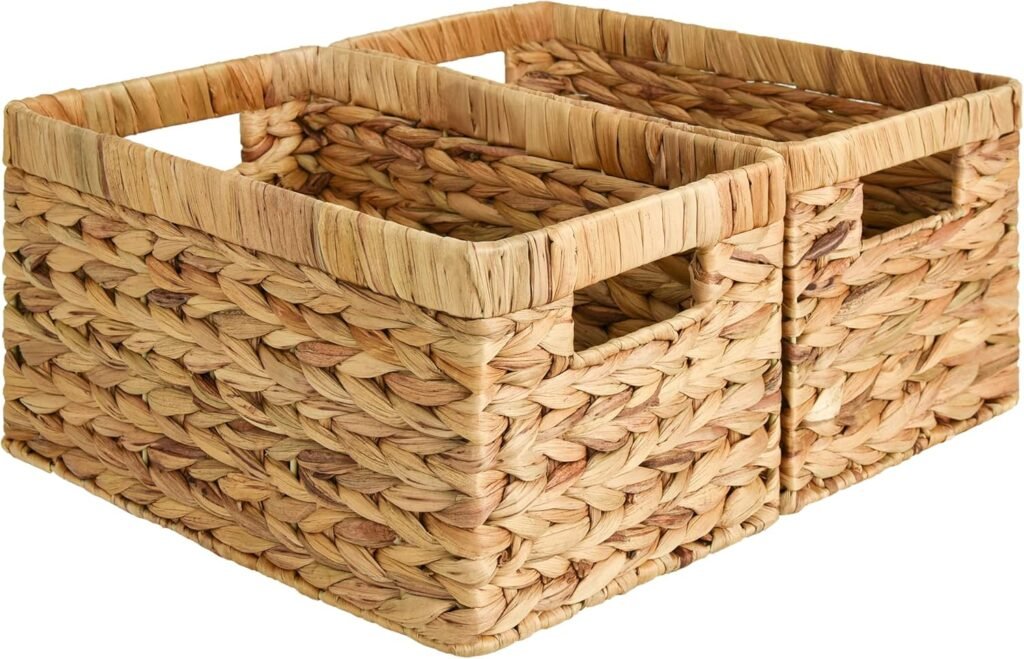
8. Keep Backstock Away From Your Everyday Items
If you buy multiples of the same product, don’t let every package take up prime shelf space.
Keep one accessible and create a separate backstock zone for the extras. Higher shelves, lower shelves and large baskets are perfect for this.
When you finish something, simply replace it from your backstock.
A large basket works perfectly for keeping extras contained:
9. Keep Your Most-Used Items at Eye Level
Not every shelf is equally valuable.
The easiest shelves to reach should hold the foods you use every day. Less frequently used appliances, bulk products and backstock can go higher or lower.
This simple change prevents you from constantly moving things around just to reach what you need.
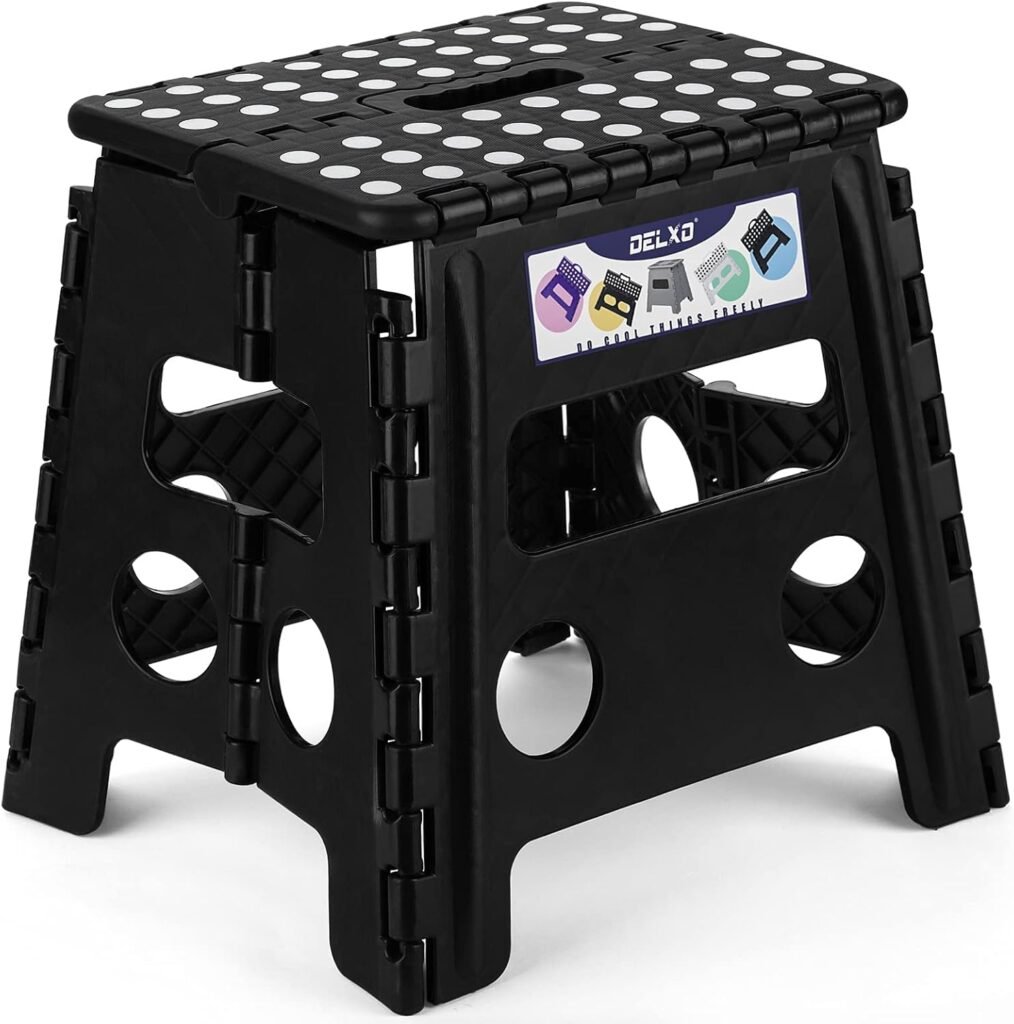
And if your upper shelves are difficult to reach, a compact folding step stool can make them much more useful.
A small pantry helper I recommend:
10. Leave Some Empty Space
Finally, don’t try to fill every available inch.
A pantry that’s packed completely full becomes difficult to maintain as soon as you bring home new groceries.
Leave a little breathing room in each zone so you have somewhere to put new items. Your pantry should be designed around easy access, not maximum capacity.
The best pantry organization system isn’t the one that looks perfect immediately after you organize it—it’s the one that still works weeks later.
A Small Pantry Can Still Work Beautifully
You don’t need a huge walk-in pantry to have a functional and organized kitchen. By using vertical space, creating clear zones and choosing storage solutions for the areas that actually cause problems, you can make even a small pantry feel significantly bigger.
Start with one or two changes instead of trying to reorganize everything at once. Once those systems are working, you can gradually improve the rest.
Want all of my pantry organization finds in one place?
This post may contain affiliate links. If you purchase through one of these links, Maison & Glow may earn a small commission at no additional cost to you.
–Maison & Glow
Beautiful spaces, made practical.